Smart Agriculture in Japan: THWS students work in teams at a Japanese partner university
During the semester, the students had already been preparing, both academically and organisationally, for their collaboration with the Japanese partner university. The field trip thus marked the conclusion of the ‘Smart Agriculture’ module, which was offered for the first time in the summer term of 2026. The module combines computer science with issues relating to modern agriculture and integrates drone remote sensing, AI-supported image analysis and plant physiological measurements into a single workflow. The aim is to systematically record and analyse the health status of crops using various data sources, and to compare the results.
Three teams, three laboratories, one joint project
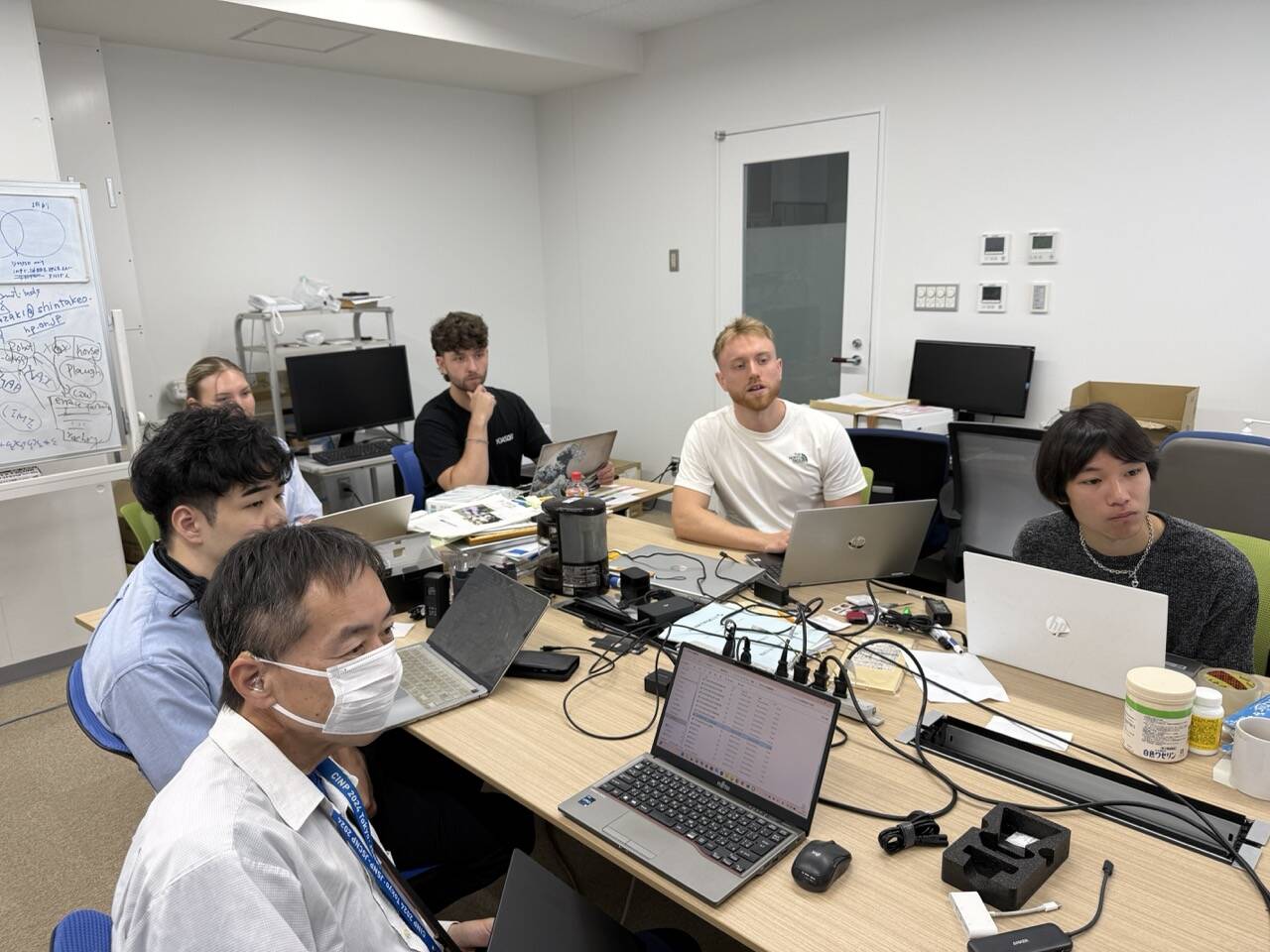
The nine sixth-semester THWS students worked in three groups of three. Each group was assigned to one of the three laboratories at Suwa University of Science involved in the project. The work was supervised by Prof. Dr Kazuo Ishii, Prof. Dr Bishnu P. Gautam and Prof. Dr Takamitsu Kurusu. Students from the Japanese laboratories also took part in the projects, meaning that the technical work was carried out directly within German-Japanese teams. Above all, the openness and great commitment of the hosts ensured that the students were able to integrate very quickly into the laboratories and the joint teams.
In the field of drones and remote sensing, the students explored the capture and analysis of high-resolution images of agricultural land. This went beyond mere theoretical discussion: one group was able to fly drones over the fields themselves, capturing image data for further processing. Among other things, these methods enable the calculation of vegetation indices, which can be used to highlight differences in plant cover.
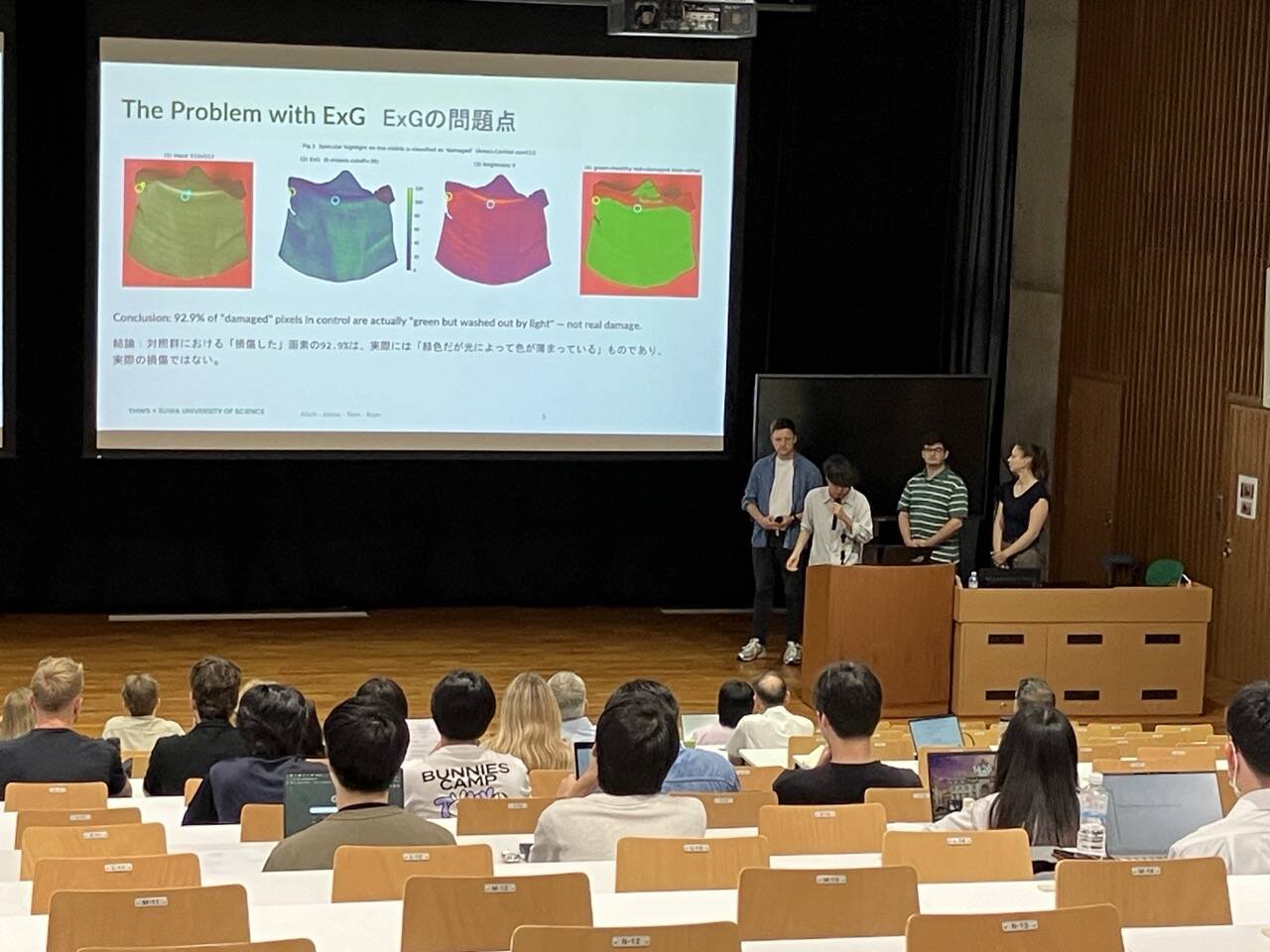
Another group worked on the AI-assisted analysis of plants and leaves. To this end, leaves were collected in the field, systematically photographed and then analysed using image processing and artificial intelligence techniques. The system, developed at Suwa University, combines image analysis, data management and visualisation, and is intended, in the long term, to automatically detect and quantify damage to plants, for example.
The third group focused on plant physiological measurements. Here, image- and AI-based results are verified using independent measurement methods. Among other things, chlorophyll fluorescence can be used to investigate how efficiently a plant’s photosynthesis is functioning and whether it is under stress. This has resulted in a comprehensive approach, ranging from aerial surveying of the field, through AI-based analysis of individual plants, to the physiological validation of the results.
At the end of the laboratory phase, all three groups presented their work and findings to representatives from Suwa University of Science. The presentations also served as the assessment for the module. In this way, the field trip, international collaboration and the regular course were directly linked.
A new partnership characterised by close cooperation
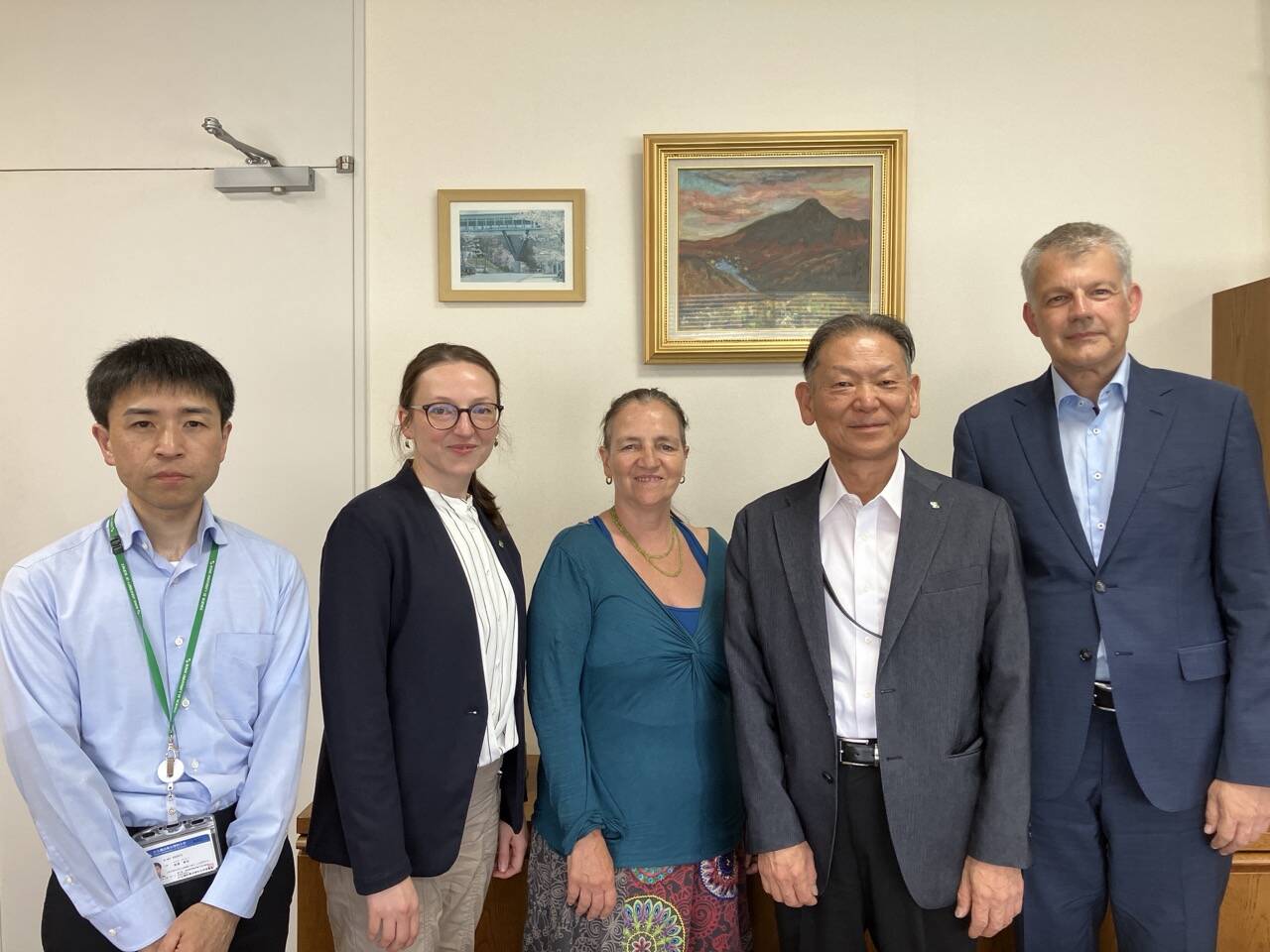
The group was accompanied by Prof. Dr Isabel John and Prof. Dr Peter Braun. The partnership between THWS and Suwa University of Science has been in place since 2024 and has developed rapidly since then. THWS students have already been able to travel to Japan on several occasions for study visits, whilst students from Suwa University of Science have also been guests at THWS.
Amanda Schütze, a senior member of staff at the International Office of Suwa University of Science, played a key role in the preparation and organisation of the field trip. She organised the extensive programme on site with great dedication and accompanied the group throughout their stay. On behalf of THWS, Franziska Königer assisted with the organisational preparations for the trip.
The excursion also received generous financial support from both universities. THWS contributed towards the students’ travel expenses. During the stay, Suwa University of Science covered, amongst other things, the costs of the joint coach journeys and the admission fees. In addition, the THWS group was able to stay free of charge at the university campus guest house during their stay in Chino. As a result, both universities played a key role in enabling students to take part in the extensive programme.
Insights into Japanese technology, agriculture and culture
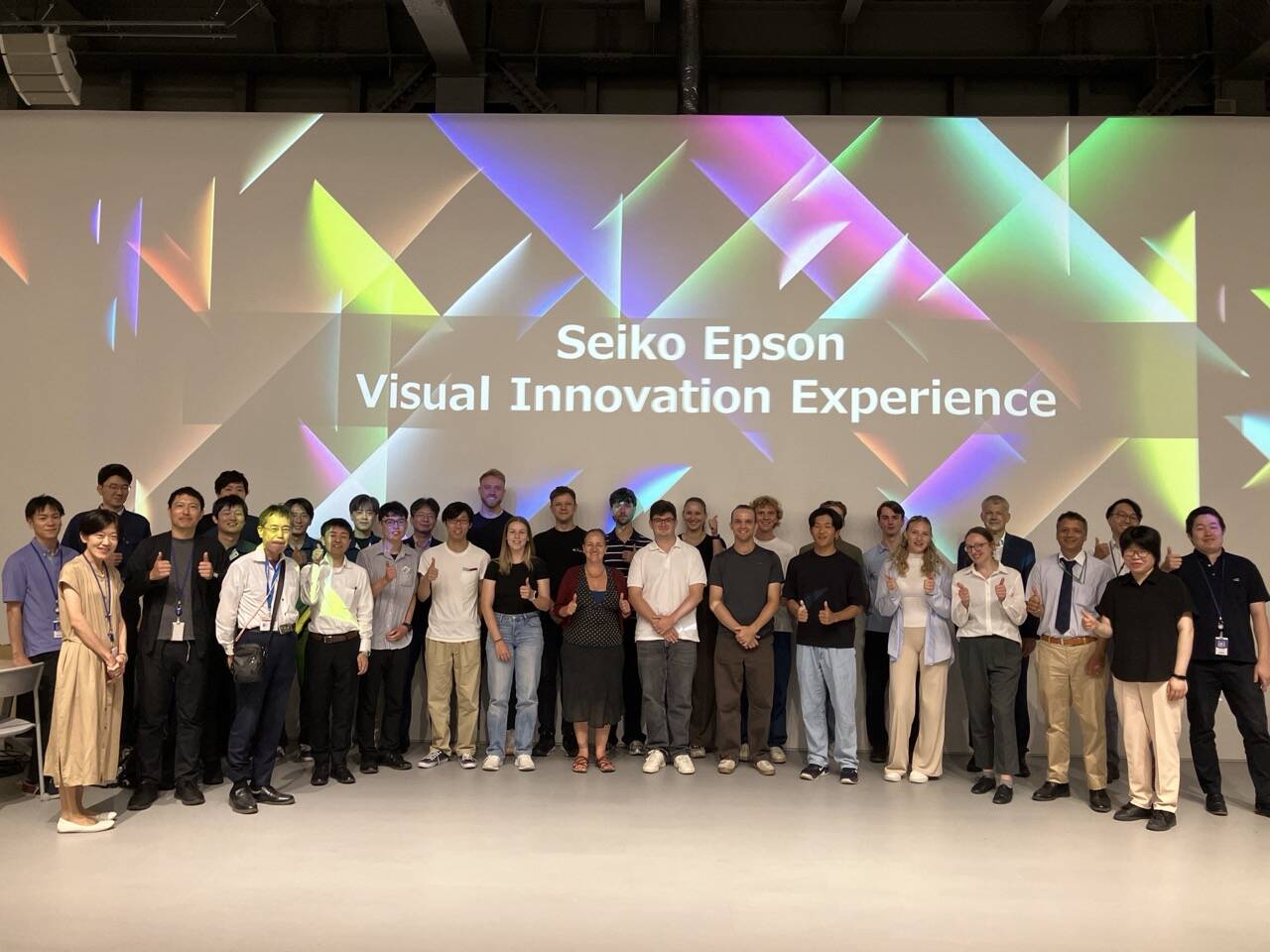
As well as their work at the university, the students also gained an insight into the Japanese business world. A highlight was the visit to Seiko Epson. The company had organised an extensive programme for the group and provided them with in-depth insights into an internationally active Japanese technology company.
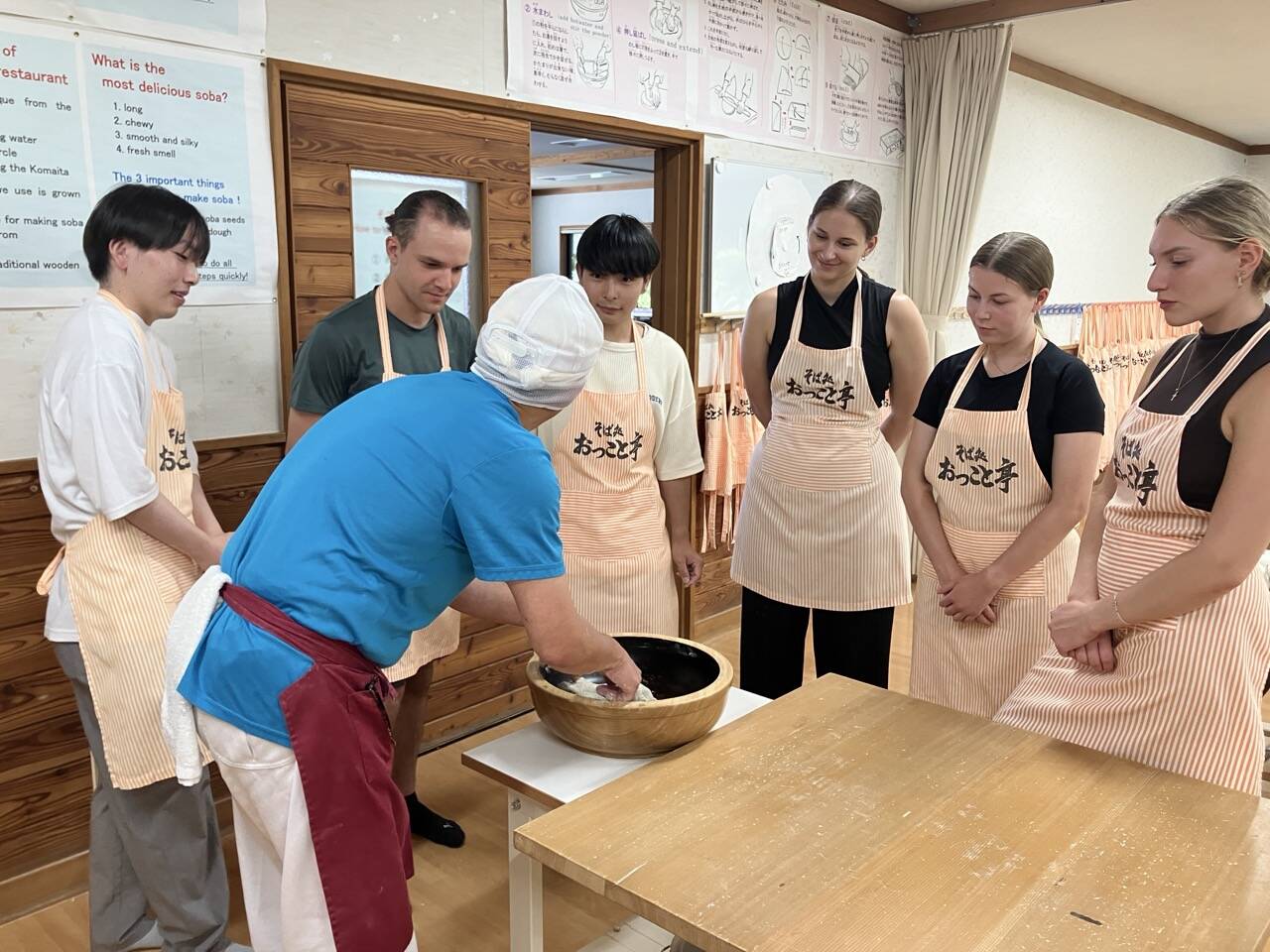
The cultural programme was also a deliberate part of the excursion. Among other things, the students visited the historic Matsumoto Castle, a wasabi farm, a traditional sake brewery, Lake Suwa and various Shintō shrines. This enabled them to get to know the Nagano region, its history, agriculture, religious traditions and regional culture, alongside their studies and project work.
Following the successful launch, the programme is therefore set to continue. THWS and Suwa University of Science intend to offer the field trip on a regular basis in future, thereby further developing their fledgling partnership in both joint teaching and student exchanges.
Contact:
Technical University of Applied Sciences Würzburg-Schweinfurt
Prof. Dr. Peter Braun
Münzstraße 12
97070 Würzburg
peter.braun[at]thws.de